Heat Treatment for Bed Bugs: The Comprehensive Guide to Eliminating Bed Bugs
Heat treatment for bed bugs stands out as a dependable, non-chemical remedy for homeowners. This technique successfully elevates temperatures to destroy every life stage of these insects. Knowing its workings and benefits is vital for individuals confronting pest problems. Thorough preparation and post-treatment maintenance can substantially affect results. Yet, many homeowners neglect important measures. What measures are necessary to guarantee a long-lasting, pest-free environment? Investigating these elements can deliver understanding and support.
Why Bed Bugs Pose a Serious Threat to Homeowners
While bed bugs might appear to be a minor inconvenience, they present serious difficulties for homeowners. Such parasites, capable of multiplying quickly, cause worry and distress as a result of their nightly feeding patterns. Their bites may result in allergic responses and secondary infections, making elimination a necessity. Moreover, bed bugs are exceptionally challenging to get rid of; they can conceal themselves in narrow gaps and persist without nourishment for considerable lengths of time.
The negative stigma linked to bed bug infestations can further influence property values and rental opportunities. Homeowners may face considerable financial hardship from ongoing treatment efforts and financial setbacks in hotel and lodging environments. In addition, the emotional toll of dealing with an infestation can contribute to anxiety and disrupted sleep.
How Do Heat Treatments Work Against Bed Bugs?
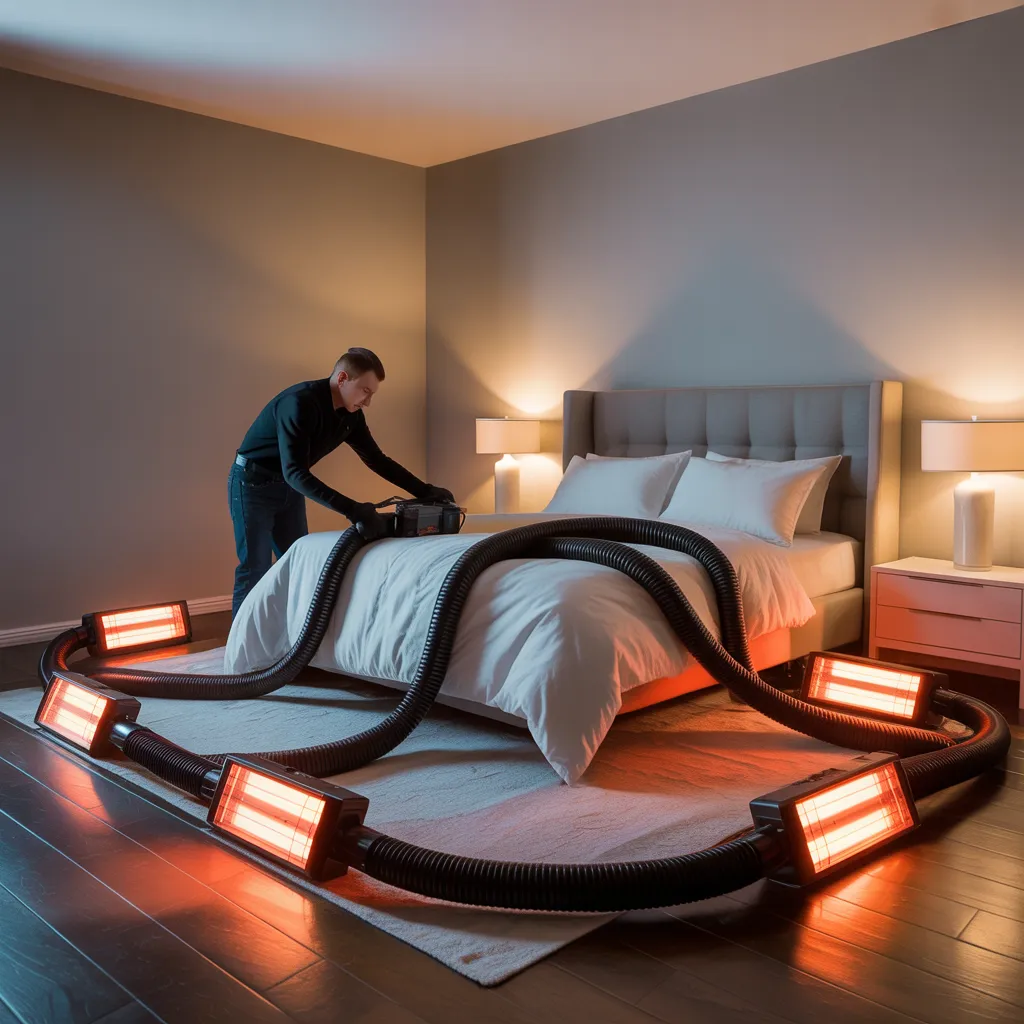
Heat treatment efficiently destroys bed bugs by elevating the temperature in contaminated areas to levels lethal for these pests. Generally, this process requires warming a room or area to a consistent temperature ranging from 120°F to 140°F (49°C to 60°C). Under these conditions, bed bugs, including their eggs and nymphs, cannot endure for sustained periods of time.
The procedure necessitates specialized equipment to confirm consistent heat penetration, penetrating all locations where bed bugs are likely to shelter, such as mattresses, furniture, and cracks in walls. It is critical to track the temperature during the entire treatment process to verify the treatment's success.
Heat treatment serves as a chemical-free solution, which makes it both environmentally friendly and safe for home use. Nevertheless, it requires careful and thorough preparation, including the removal of heat-sensitive items and confirming that the space is sealed to maintain the elevated temperature. This approach not only eliminates visible bugs but also reaches concealed populations, offering a thorough and complete resolution to pest infestations.
Heat Treatment for Bed Bugs and Its Advantages Over Alternative Methods
The merits of heat treatment for bed bugs stand out in comparison to standard pest control techniques. As opposed to chemical methods, heat effectively eliminates every life stage of bed bugs, including eggs, larvae, and adults, ensuring complete eradication. This technique works deep within bedding, furniture, and walls, attaining temperatures fatal to these bugs.
Furthermore, heat treatment is eco-friendly, as it bypasses the use of harmful chemical agents that can endanger the well-being of humans and pets. It also reduces the risk of resistance development, a common issue with chemical approaches, as bed bugs are unlikely to survive intense heat.
In addition, heat treatments typically require only one visit, minimizing the expense and effort linked to multiple chemical treatments. Overall, heat treatment is recognized as a thorough, efficient, and safer solution for ensuring a infestation-free home.
How to Prepare Your Home for Effective Heat Treatment
Readying a home for thorough heat treatment against bed bugs requires several important measures. To begin, it is critical to clear the treatment area of any clutter to ensure thorough heat penetration. Furthermore, securing items that are susceptible to heat is necessary to prevent damage during the treatment process.
Ready The Treatment Area
Careful preparation of the treatment area is essential for effective heat treatment against bed bugs. Residents should start by tidying up the area, removing any unnecessary items that may hinder the treatment process. Furniture needs to be pulled away from walls, permitting heat to move freely throughout the space. Linens, garments, and personal items should be moved to protect items and ensure thorough heat distribution. Vacuuming the area is also recommended to eliminate any existing bed bugs and eggs before treatment. To conclude, closing all windows and doors minimizes heat escape, maximizing the overall impact of the treatment. Adequately preparing the treatment space improves the odds of fully exterminating bed bugs and achieving a pest-free home.
Shield Temperature-Sensitive Belongings
Upon clearing the treatment zone, focus should shift to safeguarding heat-sensitive items. These heat-sensitive objects, which may include electronics, delicate fabrics, and artwork, may be damaged by the elevated temperatures of heat treatment. It is important to identify and remove such items from the treatment space. Electronics should be unplugged and stored in a cooler room, as delicate fabrics may need to be relocated to a protected area. In addition, heat-sensitive items such as medications and cosmetics should be packed and stored with care. Homeowners are advised to reference the guidelines provided by manufacturers for specific belongings to ensure proper and safe storage. By taking these precautionary steps, homeowners can protect their valuables while maximizing the effectiveness of the heat treatment against bed bugs.
What You Can Expect During Heat Treatment
During thermal treatment for bed bug control, thorough preparation work is vital to guarantee efficacy. Residents can expect a systematic process that includes monitoring temperatures and making certain that all spaces are adequately exposed to heat. Following the heat treatment, targeted follow-up measures will be necessary to confirm success and prevent future infestations.
Pre-Treatment Preparation
Getting ready for heat treatment entails a series of essential steps to ensure both effectiveness and safety. Initially, residents should clear the space to confirm all surfaces are accessible. Objects such as clothing, bedding, and curtains need to be laundered in hot water and dried on high heat to eradicate any hidden bed bugs. All furniture should be pulled away from walls, and any heat-sensitive items, like plants and electronics, should be relocated or safeguarded. It is also important to notify pest control specialists about any specific infested areas or concerns. Lastly, residents should prepare for a temporary move during the treatment, as temperatures will rise considerably, making the environment inhospitable for both people and pests.
Post-Treatment Follow-Up Procedures
When receiving thermal treatment for bed bug elimination, residents can expect a detailed and organized approach intended to completely remove the bed bugs. Once the treatment has concluded, the primary action requires a temperature reduction phase, throughout which the treated areas will gradually return to normal temperatures. Technicians will then conduct a comprehensive copyrightination to ensure that all insects including eggs have been eradicated. Homeowners need to watch their living spaces for any signs of resurgence including bite marks or dark spotting. It is best practice to clean all fabrics and personal items to eliminate any residual pests. Additionally, persistent monitoring is necessary; regular inspections and preventive measures can assist in keeping the space free of pests. Residents may also receive instructions for thorough aftercare procedures.
How to Preserve a Bed Bug-Free Home Following Treatment
How can one guarantee a bed bug-free home after treatment? Sustaining a pest-free living space calls for dedicated and thorough efforts. First, regular inspections of sleeping areas, furniture, and luggage can help identify any returning pests. Regular vacuuming, especially in spots where bed bugs are likely to conceal themselves, is critically important. Using a vacuum equipped with a HEPA filter and promptly discarding the vacuum bag after each use is strongly recommended.
Moreover, wrapping box springs and mattresses in protective encasements can help prevent future re-infestation. Decreasing excess clutter around the home eliminates possible hiding areas for these insects. When traveling, individuals should copyrightine motel and hotel rooms and be sure to keep bags on elevated luggage racks.
Finally, speaking with those sharing your living space about bed bug awareness ensures everyone is alert, promoting a collaborative effort in prevention. By adhering to these practices, one can substantially lower the probability of a reinfestation of bed bugs, guaranteeing a comfortable and pest-free home.
Avoiding Future Bed Bug Infestations
To successfully avoid future bed bug problems, homeowners must take decisive steps that eliminate potential risk factors. Routine copyrightinations of rest areas, including sleeping surfaces and bed structures, can help identify early signs of bed bugs. Furthermore, protective covers for mattresses and box springs provide a protective barrier, hindering bed bugs from surviving and multiplying.
Decluttering your living space minimizes hiding spots and facilitates easier cleaning. It is also essential to be vigilant when traveling; copyrightining hotel rooms and baggage before heading home can help avoid introducing bed bugs. Laundering bedding and clothing in hot water regularly further diminishes the risk of reinfestation.
Homeowners would also benefit from educating themselves on bed bug behavior and signs of infestation. By adopting these practices into their regular schedule, individuals can create an environment less conducive to bed bugs, greatly reducing the likelihood of future infestations.
Popular Questions
Am I Able to Stay in My House During Heat Treatment?
Throughout heat treatment for bed bugs, it is generally advised that residents leave the home. Extreme heat levels can be hazardous, as staying inside could lead to serious health concerns. Trained experts will supply specific instructions to ensure your safety.
How Much Time Does Heat Treatment Require to Finish?
Heat treatment generally requires between six to eight hours to complete, based on how severe the infestation is and the size of the affected area. Post-treatment inspections may take place after completion to confirm the complete success and thoroughness of the process.
Are There Any Health Hazards Associated With Heat Treatment?
Thermal treatment for bed bugs typically presents limited health concerns. That said, those with respiratory conditions or allergies could feel uncomfortable. Taking appropriate precautions with expert assistance guarantee a safe treatment experience, limiting any potential dangers.
Will Heat Treatment Harm My Personal Belongings?
Heat treatment may potentially harm heat-vulnerable possessions, such as certain fabrics, electronics, or artwork. However, most items withstand the process if appropriately managed, highlighting the need to address any concerns with a pest control expert prior to treatment.
What Does Heat Treatment Generally Cost?
Heat treatment expenses commonly learn about this range from $300 to $1,500, varying with the seriousness of the infestation and the total area requiring treatment. Variables including your location and the selected service provider also play a role in determining the final price.